Basic HTML Version


century, the custom had become institutionalised in the gentry. Gradually, pleasure travel
displaced educational travel. The advent of the Napoleonic wars inhibited travel for around
30 years and led to the decline of the custom of the Grand Tour.
The development of the spas
The spas grew in popularity in the seventeenth century in Britain and a little later in the
European Continent as awareness of the therapeutic qualities of mineral water increased.
Taking a cure
in the spa rapidly acquired the nature of a status symbol. The resorts changed
in character as pleasure became the motivation of visits. They became an important centre
of social life for the high society. In the nineteenth century they were gradually replaced by
the seaside resort.
The sun, sand and sea resorts
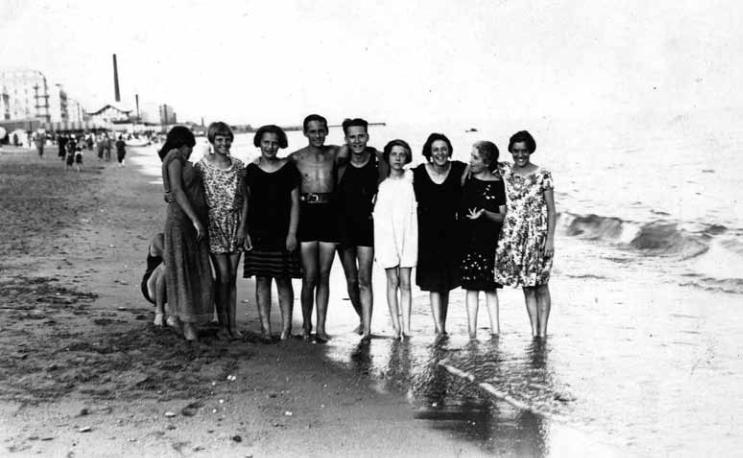
Sea water became associated with health benefits. The earliest visitors therefore drank it and
did not bathe in it. By the early eighteenth century, small fishing resorts sprung up in England
for visitors who drank and immersed themselves in sea water. With the overcrowding of inland
spas, the new sea side resorts grew in popularity. The introduction of steamboat services in
the nineteenth century introduced more resorts in the circuit. The seaside resort gradually
became a social meeting point.
Role of the Industrial Revolution in promoting travel in the West
The rapid urbanization due to industrialization led to mass immigration in cities. These people
were lured into travelling to places of natural beauty, often to the countryside, to escape from
their environment. They went to change their routine from a physically and psychologically
stressful jobs to a leisurely pace in the countryside.
QUESTIONS
Answer the following questions.
1.
Where did the Greek tourists travel to? And why?
2.
Why did the spa become popular in the seventeenth century?
3.
What was the Grand Tour?
43